Are you familiar with that sharp, twinge of pain that shoots through your teeth when you indulge in a sip of hot coffee or a bite of ice cream? If so, then you are no stranger to tooth sensitivity. This common dental issue can put a damper on enjoying the foods and drinks you love. But fear not! Dentists are here to help alleviate this discomfort and get you back to savoring every delicious moment without wincing in pain. In this blog post, we will explore the causes of tooth sensitivity, the crucial role dentists play in its treatment, different options for relief, preventive measures for managing and avoiding tooth sensitivity altogether, and how to find a dentist who can effectively address your needs. So sit back (without any dental discomfort) and let’s dive into the world of tooth sensitivity solutions!
Common Causes of Tooth Sensitivity
Tooth sensitivity is a common dental problem that can cause discomfort and pain when consuming hot or cold foods and beverages. Understanding the root causes of tooth sensitivity is crucial in finding effective treatment options. Here are some common culprits behind this bothersome condition.
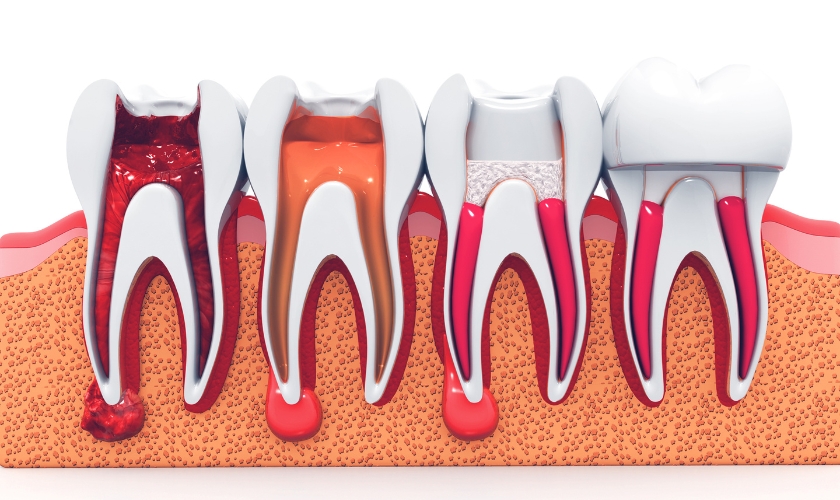
One major cause of tooth sensitivity is exposed dentin, which occurs when the protective layer of enamel on the teeth wears down or becomes damaged. This exposes the underlying layer called dentin, which contains tiny tubules that connect to nerve endings. When hot or cold substances come into contact with these tubules, it triggers a painful sensation.
Gum recession can also lead to tooth sensitivity as it exposes the roots of the teeth. The roots do not have a protective layer of enamel like the crowns, making them more susceptible to temperature changes and irritants.
Tooth decay and cavities can contribute to tooth sensitivity by exposing sensitive areas within the teeth’s structure. Additionally, cracked or chipped teeth may allow bacteria to penetrate deeper into the tooth, leading to increased sensitivity.
Certain dental treatments such as teeth whitening procedures or fillings can temporarily cause tooth sensitivity due to their effects on enamel or irritation from materials used during treatment.
It’s important to note that brushing your teeth too vigorously with a hard-bristled brush can also wear away enamel over time, contributing to tooth sensitivity.
Identifying and addressing these underlying causes is essential for effectively managing and alleviating tooth sensitivity. Consulting with a North Oaks dentist who specializes in treating dental conditions like North Oaks Dentistry will help you determine the best course of action for your specific needs!
The Role of Dentists in Treating Tooth Sensitivity
When it comes to tooth sensitivity, dentists play a crucial role in diagnosing and treating this common dental issue. They have the expertise and knowledge to identify the underlying causes of tooth sensitivity and develop an effective treatment plan tailored to each patient’s needs.
One important aspect of their role is conducting a thorough examination of the teeth and gums. This may involve using special tools, such as dental probes or X-rays, to assess any signs of enamel erosion, gum recession, or other factors contributing to tooth sensitivity. By identifying these underlying issues, dentists can determine the most appropriate course of action.
Dentists also provide professional treatments that can alleviate tooth sensitivity. One common method is applying desensitizing agents directly to the affected teeth. These agents help block nerve signals that trigger pain when exposed to hot or cold stimuli.
In some cases, dentists may recommend procedures like sealants or bonding materials to protect exposed dentin and reduce sensitivity. They can also offer advice on proper oral hygiene practices and recommend specific toothpaste or mouthwash formulated for sensitive teeth.
Regular dental check-ups are essential for managing tooth sensitivity effectively. Dentists can monitor progress over time, make adjustments as needed, and ensure that any potential complications are addressed promptly.
Finding a dentist who specializes in addressing tooth sensitivity is crucial for getting optimal care. Look for a reputable dentist in your area who has experience dealing with this issue. Consider reading reviews from previous patients or seeking recommendations from friends or family members who have had similar concerns.
Remember that effective communication with your dentist is key throughout the process – share your symptoms openly so they can accurately diagnose and treat your condition.
By partnering with a skilled dentist experienced in treating tooth sensitivity, you can find relief from discomfort while maintaining good oral health overall!
Different Treatment Options for Tooth Sensitivity
When it comes to treating tooth sensitivity, there are several options that dentists can recommend based on the underlying cause. One common approach is desensitizing toothpaste, which contains compounds that help reduce nerve sensitivity and provide relief.
Another option is fluoride treatment, which helps strengthen the enamel and protect against tooth decay. Dentists may apply fluoride gel or varnish directly to the sensitive areas of your teeth to provide long-lasting protection.
For more severe cases of tooth sensitivity, dentists may suggest dental bonding or a crown. Dental bonding involves applying a resin material to cover exposed root surfaces and protect them from further damage. Crowns, on the other hand, are custom-made caps that cover the entire tooth surface and provide added strength and protection.
In some cases, a dentist may recommend a surgical procedure called gum grafting. This involves taking tissue from another part of your mouth and attaching it to the affected area to protect exposed roots.
It’s important to note that these treatment options should always be discussed with a qualified dentist who can assess your specific situation and determine the best course of action for you.
Remember, addressing tooth sensitivity early on can prevent further damage and discomfort in the future!
Preventive Measures for Managing and Avoiding Tooth Sensitivity
Tooth sensitivity can be a real pain, quite literally. But the good news is that there are preventive measures you can take to manage and avoid this discomfort. Here are some tips to help keep tooth sensitivity at bay.
It’s important to practice good oral hygiene. This means brushing your teeth twice a day with a soft-bristled toothbrush and fluoride toothpaste. Be sure to use gentle, circular motions and avoid brushing too aggressively as this can wear down enamel and expose sensitive areas of the teeth.
In addition to regular brushing, don’t forget about flossing! Cleaning between your teeth helps remove plaque buildup that can contribute to tooth sensitivity. Make it a habit to floss daily, preferably before bedtime.
Another preventive measure is using desensitizing toothpaste. These specialized formulas contain ingredients like potassium nitrate or strontium chloride which help block nerve signals in the teeth, reducing sensitivity over time. Consider incorporating this type of toothpaste into your oral care routine.
Avoiding acidic foods and beverages is also crucial for managing tooth sensitivity. Acidic substances erode enamel and increase sensitivity in the long run. Limit your consumption of items such as citrus fruits, soda, wine, and coffee, or consume them in moderation while rinsing with water afterward.
Last but certainly not least, make sure you visit your dentist regularly for check-ups and cleanings! Dentists have the expertise to identify potential causes of tooth sensitivity early on and provide appropriate treatment recommendations tailored specifically for you.
By following these preventive measures consistently along with professional guidance from dentists like those in the North Oaks area who specialize in treating dental sensitivities(!), you’ll be well on your way towards managing existing sensitivities effectively while preventing future ones from occurring(!).
How to Find a Dentist Who Can Help with Tooth Sensitivity
When it comes to finding a dentist who can help with tooth sensitivity, there are a few key factors that you should consider. First and foremost, look for dentists in your area who specialize in treating dental sensitivity. This will ensure that they have the knowledge and expertise necessary to address your specific concerns.
Additionally, ask friends, family members, or coworkers for recommendations. Personal referrals can be invaluable when it comes to finding a trusted dentist who has successfully helped others with similar issues.
Another important aspect is to research the dentist’s credentials and experience. Look for dentists who have advanced training or certifications in treating tooth sensitivity. This demonstrates their commitment to staying up-to-date with the latest techniques and treatments.
Furthermore, read online reviews from other patients. These reviews can provide insights into the quality of care provided by the dentist and whether they were able to effectively alleviate tooth sensitivity for their patients.
Don’t forget about practical considerations such as location, office hours, and insurance acceptance. Finding a conveniently located dentist whose office hours align with your schedule will make it easier for you to keep up with regular appointments.
By taking these steps and considering these factors when searching for a dentist who can help with tooth sensitivity, you’ll be well on your way to finding relief from this common dental issue without having to venture too far from home!
In this article, we have explored the causes of tooth sensitivity and how dentists can help alleviate it. Tooth sensitivity is a common dental problem that can cause discomfort and pain when consuming hot or cold foods and beverages.
Several factors contribute to tooth sensitivity, including exposed dentin, gum recession, enamel erosion, and tooth decay. It is important to identify the underlying cause of your tooth sensitivity so that appropriate treatment options can be recommended.
Dentists play a crucial role in treating tooth sensitivity. They have the knowledge and expertise to diagnose the root cause of your sensitivity and provide effective solutions. Whether it’s recommending desensitizing toothpaste, applying dental sealants or fluoride varnishes, or performing procedures like bonding or gum grafting, dentists have a range of treatment options at their disposal.
Preventive measures are also essential for managing and avoiding tooth sensitivity. Maintaining good oral hygiene practices such as regular brushing with a soft-bristled brush and using fluoride-based products can help strengthen enamel. Avoiding acidic foods and drinks can also prevent further damage to the teeth.
If you are experiencing tooth sensitivity, it is crucial to find a dentist who specializes in treating this condition. Look for dentists in North Oaks who have experience in dealing with sensitive teeth issues. You should consider their qualifications, and reputation among patients through reviews or testimonials online before making an appointment.
Remember that each case of tooth sensitivity is unique, so what works for one person may not work for another. By working closely with your dentist and following their recommendations for treatment and preventive care, you can effectively manage your tooth sensitivity symptoms.