This article discusses the risks of using over-the-counter teeth whitening products and how they can cause more harm than good.
1. What is Teeth Whitening?
Various over-the-counter teeth whitening products are available on the market today. While these products may be tempting to use to achieve a brighter smile, it is essential to be aware of the risks associated with regular use.
Tooth enamel is composed of minerals that can be broken down over time by acidic foods, drinks, and certain types of bacteria. When the enamel is weakened, it becomes more susceptible to staining and discoloration.
Teeth whitening products typically contain hydrogen peroxide or carbamide peroxide, which bleaches the tooth enamel and can cause further damage. In addition, these products can also lead to increased sensitivity and irritation of the gums.
It is essential to talk to your dentist before using any teeth whitening product, as they can assess whether or not it is safe for you to use based on the condition of your teeth and gums. If you use a whitening product, follow the directions carefully and avoid using it more often than recommended.

2. What are the Risks of Regularly Using OTC Teeth Whitening Products?
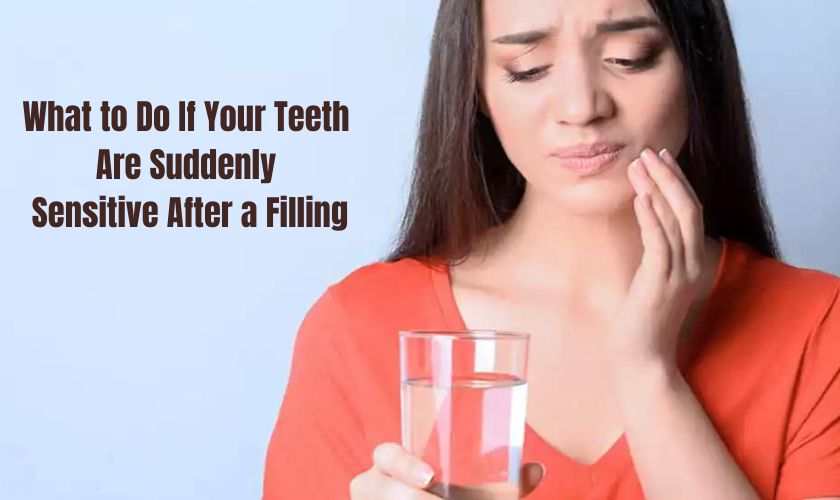
While a few risks are associated with regularly using OTC teeth whitening products, they are generally considered safe when used as directed. The most common side effect is tooth sensitivity, which can occur if the whitening product is not used correctly. Sensitivity typically goes away within a few days after you stop using the product.
Other potential risks include:
• Gum irritation – If the whitening gel comes into contact with your gums, it can cause temporary irritation. This is usually not a serious problem and will disappear once you stop using the product.
• Mouth sores – Some people may experience mouth sores or ulcers from using teeth whiteners. These should heal on their own within a week or two.
• Enamel damage – Overuse of teeth whiteners can lead to enamel erosion, making your teeth more susceptible to cavities and staining. It’s essential to follow the directions on the product label and only use it as often as recommended.
If you have concerns about using an OTC teeth whitening product, talk to your dentist before using it.
3. What Are the Risks of Professional Teeth Whitening?
Professional teeth whitening is generally considered safe when performed by a qualified dentist or dental hygienist. The most common side effect is tooth sensitivity, which typically goes away within a few days after the procedure.
Other potential risks include:
• Gum irritation – The whitening gel can cause temporary irritation of the gums. This is usually not a serious problem and will disappear once the procedure is finished.
4. Alternatives to Teeth Whitening Treatments
A few options are available if you are looking for an alternative to over-the-counter teeth whitening treatments.
One alternative is using a teeth whitening kit you can purchase from your dentist. These kits usually come with a bleaching gel that you apply to your teeth with a mouthguard-like tray. Dentist-dispensed whitening kits are more expensive than over-the-counter whitening products, but they may be worth the investment if you look for long-lasting results.
Another option is to try one of the many at-home teeth whitening kits available on the market. These kits typically include a bleaching gel, mouthguard, and instructions on using them. At-home teeth whitening kits can be cheaper than purchasing equipment from your dentist, but they may provide different results.
Finally, you can also try natural teeth whitening methods, such as brushing teeth with baking soda or using apple cider vinegar as a mouthwash. These methods are generally less effective than bleaching gels, but they may be gentle enough for people with sensitive teeth.
4. Are There Any Risks to Teeth Whitening?
Teeth whitening treatments are generally safe for most people, but some risks are involved.
The most common side effect of teeth whitening is tooth sensitivity. This usually goes away after a few days, but it can be uncomfortable while it lasts. If you have sensitive teeth, try one of the alternatives listed above.
Another potential risk of teeth whitening is gum irritation or inflammation. This is more likely to occur if you do not follow the instructions on the product’s packaging carefully. It is also essential to avoid getting bleaching gel on your gums, as this can cause irritation or inflammation.
Finally, it can damage your teeth if you use teeth whitening products too often for too long. Be sure to follow the instructions on the product’s packaging carefully to avoid damaging your teeth.
FAQ
Try out some home remedies! You can do a few things to make your smile a little brighter. Baking soda is a popular choice for at-home teeth whitening. You can make a paste with baking soda and water and brush it onto your teeth. Some people also swear by using activated charcoal to whiten their teeth. You can buy it in powder form and brush it onto your teeth like you would with toothpaste.
Some over-the-counter teeth whitening products are safe for most people to use. However, it is important to read the instructions and follow them exactly as directed. It is also important to avoid using any product more often than recommended, as this could increase the risk of tooth sensitivity or other side effects.