Are you experiencing excruciating tooth pain that just won’t go away? You might be wondering if a root canal is necessary. A root canal can save your tooth and prevent further damage, but how do you know if it’s truly needed? In this blog post, we’ll explore the signs and symptoms that indicate you may need a root canal. Don’t suffer in silence – read on to find out how to identify when it’s time to seek professional help for your painful teeth!
Source: www.freepik.com
What is a Root Canal?
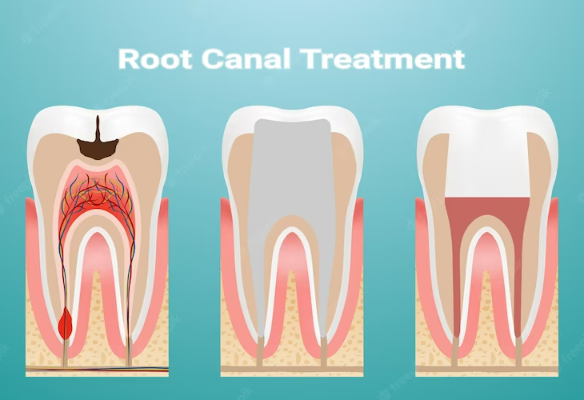
A root canal is a treatment used to repair and save a tooth that is badly decayed or infected. The procedure involves removing the damaged area of the tooth, cleaning and disinfecting it, and then filling and sealing it. Root canals are usually performed by dentists or endodontists (specialists who treat problems with the pulp or nerve of the tooth).
Root canals are often necessary when the nerve of a tooth becomes damaged or infected. This can happen as a result of decay, a cracked or chipped tooth, an injury to the tooth, or gum disease. Symptoms of damage or infection include pain, sensitivity to hot or cold temperatures, swelling, tenderness, and discoloration of the tooth. If left untreated, these symptoms can eventually lead to abscesses or even death of the tissue surrounding the tooth.
Root canal treatment is usually successful in saving teeth that would otherwise be lost to decay or infection. In most cases, the treated tooth will function just like any other tooth for many years to come.
Symptoms that May Indicate You Need A Root Canal
If you are experiencing any of the following symptoms, you may need a root canal:
- Severe toothache that is not relieved by over-the-counter pain medication
- Sensitivity to hot or cold temperatures that lingers long after exposure
- Toothache that gets worse when you chew or put pressure on the tooth
- Discoloration or darkening of the tooth
- Swollen or tender gums around the affected tooth
If you are experiencing any of these symptoms, it is important to see a dentist as soon as possible. They will be able to determine if you need a root canal and can provide you with the necessary treatment.
Causes of a Root Canal
There are a few things that can cause the need for a root canal. The most common is when the nerve of the tooth becomes infected or damaged. This can happen from decay, a crack or chip in the tooth, or an injury to the tooth. Other causes can include gum disease, a failed filling, or repeated dental procedures on the same tooth. If you think you may need a root canal, it’s important to see your dentist as soon as possible so they can evaluate the situation and determine the best course of treatment.
The Procedure for a Root Canal
A root canal is a dental procedure used to treat an infected tooth. The infection can be caused by a number of things, including decay, gum disease, or a crack in the tooth. If the infection is left untreated, it can spread to other parts of the body and cause serious health problems.
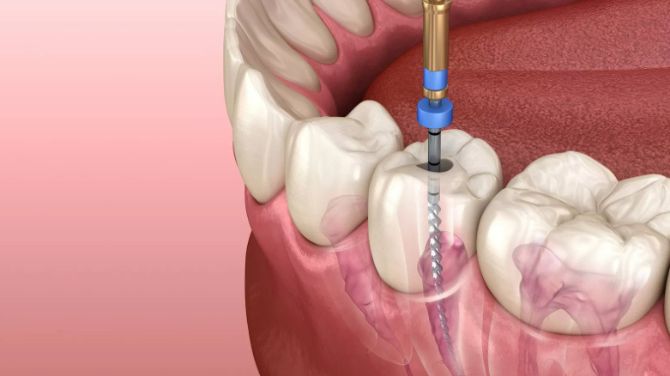
The first step in the procedure is to remove the infected tissue from the tooth. This is done by making a small hole in the tooth and then cleaning out the inside of the tooth with special instruments. Once the inside of the tooth is clean, it is filled with a rubber-like material called gutta-percha.
The next step is to seal off the tooth so that no more bacteria can enter it. This is done by placing a metal or ceramic crown over the top of the tooth. The final step is to make sure that you have no more pain or infections by coming in for regular checkups and cleanings.
Source: Teeth Talk Girl
Benefits of Root Canal
There are many benefits to getting a root canal, including:
Relief from pain: One of the most obvious benefits of a root canal is that it can relieve the severe pain caused by an infected or damaged nerve.
Saving your tooth: A root canal allows you to keep your natural tooth rather than have it extracted. This not only saves you money in the long run (dental implants can be expensive), but it also helps to preserve your smile and chewing function.
Preventing further damage: If an infected or damaged nerve is left untreated, it can lead to further damage to the tooth or even loss of the tooth. A root canal helps to prevent this by removing the damaged nerve tissue and sealing up the tooth so that bacteria cannot enter.
If you’re experiencing any pain in your teeth and gums, it’s important to take action quickly and seek the advice of a professional dentist. The earlier that you can diagnose any underlying issues causing the pain, such as an infection, abscess, or tooth decay, the better chance you have to save your natural teeth. A root canal procedure is often necessary for eliminating severe dental pain and restoring a healthy smile. So if you are feeling signs of toothache or discomfort from time to time, don’t ignore it – book an appointment with your dentist today!