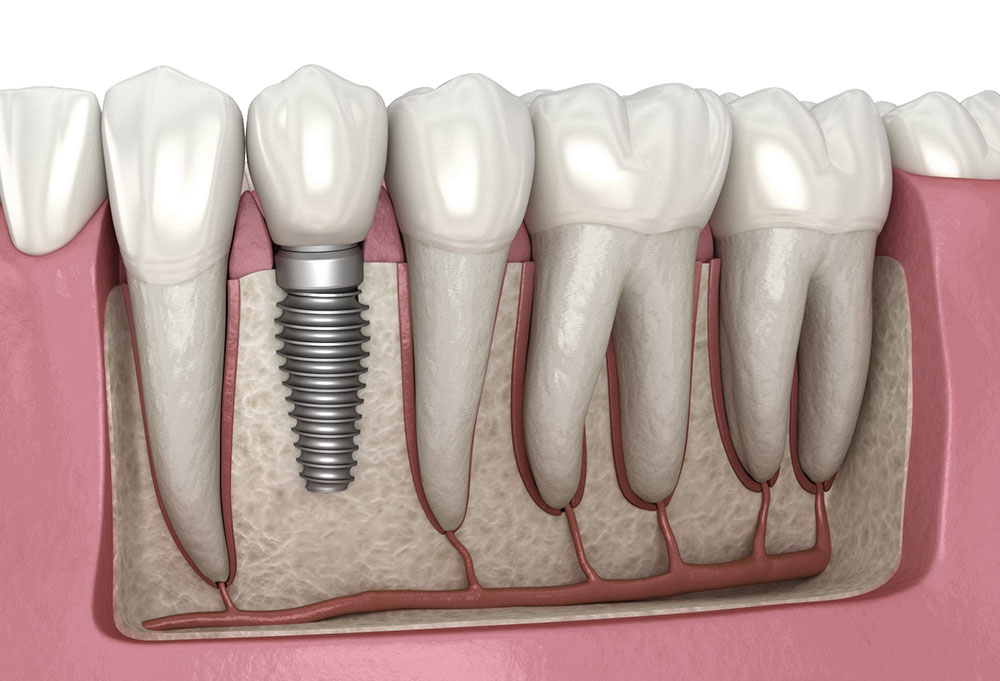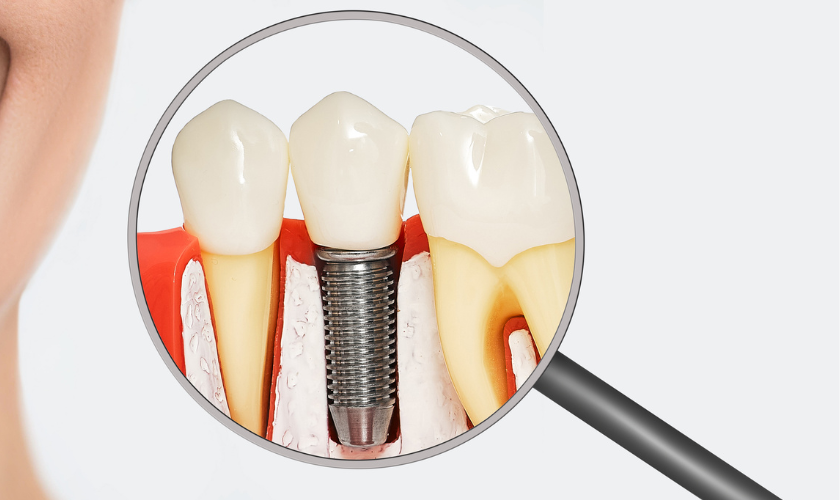
If you’ve been considering getting dental implants, you’re probably aware of the numerous benefits they can provide. From restoring your smile and confidence to improving your ability to eat and speak, dental implants are a fantastic solution for replacing missing teeth.
However, the dental implant procedures can be a concern for many individuals. That’s where insurance coverage comes into play. Understanding what is covered by your insurance plan and how to maximize that coverage can make all the difference when it comes to affording this life-changing treatment.
In this article, we’ll dive into the world of insurance coverage for dental implants. We’ll explore why it’s important, discuss different types of plans that cover these procedures, highlight limitations and exclusions you should be aware of, offer tips on maximizing your coverage, and even explore other financial options available.
So whether you’re already planning on getting dental implants or simply curious about how insurance factors into the equation – let’s get started!
Why Insurance Coverage is Important
Insurance coverage for dental implants is crucial for many reasons. Dental implants are a significant investment in your oral health and overall well-being. They provide a long-lasting solution for missing teeth, improving your ability to eat, speak, and smile confidently. However, the dental implants can be substantial.
Without insurance coverage, paying out-of-pocket for dental implant procedures can be financially challenging. Insurance helps alleviate this burden by providing financial assistance or reimbursement for some or all of the costs associated with dental implant treatment.
Furthermore, having insurance coverage gives you peace of mind knowing that you have support when unforeseen issues arise. Dental problems can occur unexpectedly and may require immediate attention. With insurance coverage in place, you won’t have to worry about the high costs associated with emergency dental care or unexpected complications during the implant process.
Additionally, insurance coverage encourages regular preventive care by covering routine check-ups and cleanings. By regularly visiting your dentist for preventive measures such as exams and cleanings, you can maintain optimal oral health and potentially avoid more extensive treatments down the line.
Having insurance coverage is essential when considering dental implants as it provides financial protection against costly procedures while promoting preventative care to preserve your oral health in the long run. So don’t underestimate the importance of getting adequate insurance coverage that includes dental implant benefits!
Types of Insurance Plans that Cover Dental Implants
When it comes to dental implants, insurance coverage can make a significant difference in the overall cost. While not all insurance plans cover this procedure, some types of plans do include dental implant coverage.
One type of plan that may cover dental implants is employer-sponsored group insurance. Many employers offer comprehensive dental benefits as part of their employee benefits package. These plans often provide coverage for major procedures like dental implants.
Another option is individual or family dental insurance plans. Some of these plans have specific provisions for covering dental implant procedures, although the extent and limitations may vary from plan to plan.
Additionally, some Medicare Advantage or supplemental insurance plans may offer coverage for certain aspects of dental care, including implants. It’s important to carefully review the policy details before assuming any specific services will be covered.
Furthermore, if you’re considering getting an implant due to a medical condition or accident, your health insurance might provide some level of coverage depending on your policy terms and conditions.
It’s crucial to note that even when an insurance plan covers dental implants, there could still be limitations and waiting periods associated with the coverage. For example, many policies have annual maximums or waiting periods before they cover major procedures like implants fully.
Understanding what your insurance plan covers regarding dental implants is essential in maximizing its benefits. Be sure to thoroughly read through your policy documents or consult with your insurer directly so you know exactly what expenses will be covered and how much out-of-pocket costs you can expect.
Limitations and Exclusions to Be Aware
Limitations and exclusions are an important aspect to consider when it comes to insurance coverage for dental implants. While having coverage is certainly beneficial, it’s crucial to understand the fine print and be aware of any restrictions that may apply.
One common limitation is a waiting period before you can receive coverage for dental implant procedures. This means that you may need to wait a certain amount of time after obtaining your insurance plan before being eligible for implant coverage. It’s essential to inquire about this waiting period when researching different insurance options.
Another limitation to be aware of is the maximum annual benefit limit. Some insurance plans have a cap on the amount they will pay towards dental procedures per year, including implants. If the cost of your implant exceeds this limit, you may have to cover the remaining expenses out-of-pocket.
Additionally, some insurance plans exclude pre-existing conditions from their coverage. If you had missing teeth or other oral health issues before obtaining your insurance plan, these conditions may not qualify for reimbursement under your policy.
Moreover, certain types of dental implant treatments or materials may also be excluded from coverage by some insurers. For example, cosmetic enhancements like implant-supported veneers or non-essential upgrades might not be covered under basic plans.
It’s important to carefully review the terms and conditions of your chosen insurance plan regarding limitations and exclusions related specifically to dental implants. Understanding these details upfront will help manage expectations and avoid surprises down the line.
While limitations and exclusions exist in most insurance policies covering dental implants, being informed about them allows individuals seeking treatment better prepared financially and enables them with more realistic expectations concerning their potential benefits
How to Maximize Your Insurance Coverage for Dental Implants
One of the most important things to consider when it comes to dental implants is how you can maximize your insurance coverage. Here are some tips and strategies to help you get the most out of your insurance plan.
First, make sure you understand what your insurance covers when it comes to dental implants. Some plans may cover only a portion of the cost, while others may have specific limitations or exclusions. Take the time to read through your policy documents or speak with a representative from your insurance company to clarify any uncertainties.
Next, find out if there are any waiting periods associated with dental implant coverage. Some plans require a certain period before they will cover the procedure, so be sure to factor this into your planning process.
If possible, choose an in-network provider for your dental implant procedure. Insurance companies often negotiate discounted rates with these providers, which means that you could save money by using them instead of going out-of-network.
Consider bundling multiple procedures together if you need additional dental work along with implants. Combining treatments under one claim can potentially increase coverage limits and reduce overall costs.
Keep track of all communications and documentation related to your treatment and insurance claims. This includes pre-authorization forms, estimates for treatment costs, invoices, and receipts. Having organized records will make it easier to navigate any potential issues or disputes that may arise with your insurer.
Don’t hesitate to advocate for yourself! If you believe that a denial or reduction in coverage is unfair or unjustified based on the terms of your policy, appeal the decision and provide supporting evidence such as X-rays or other medical records.
By understanding what is covered by our insurance plan and taking proactive steps like choosing an in-network provider and keeping thorough records; we can maximize our benefits for dental implant procedures
Other Financial Options for Dental Implant Coverage
Besides insurance coverage, there are other financial options available to help make dental implants more affordable. These options can be especially helpful if your insurance plan does not cover the full cost of the procedure or if you do not have insurance at all.
One option is a dental savings plan or discount plan. These plans work like a membership program where you pay an annual fee and receive discounted rates on various dental procedures, including dental implants. While they may not cover the entire cost of the implant, they can significantly reduce your out-of-pocket expenses.
Another option is financing through a specialized healthcare credit company. These companies offer loans specifically for medical and dental expenses, allowing you to spread out the cost of your dental implant over time with manageable monthly payments. It’s important to carefully review the terms and interest rates before committing to this option.
Some dentists also offer in-house payment plans that allow you to pay for your treatment in installments directly to the practice. This can be a convenient option as it eliminates the need for third-party financing and allows you to work directly with your dentist’s office.
Crowdfunding platforms have become increasingly popular as a way for individuals to raise funds for medical treatments. You can create a campaign explaining why you need funds for dental implants and share it with friends, family, and even strangers who may be willing to contribute towards covering some or all of your costs.
Remember that each financial option has its benefits and limitations so it’s crucial to thoroughly research and understand them before making any decisions about how best to finance your dental implants. By exploring these alternatives along with maximizing your insurance coverage, you can find an approach that fits within your budget while still receiving high-quality oral care.
In today’s blog post, we have explored the world of insurance coverage for dental implants. We discussed the importance of having insurance coverage and how it can help alleviate the financial burden associated with this dental procedure.
We learned that not all insurance plans cover dental implants, but there are some options available. Employer-sponsored group plans often include coverage for major procedures like dental implants, while individual or family plans may offer limited coverage or require additional riders.
It is crucial to be aware of any limitations and exclusions in your insurance policy when it comes to dental implant coverage. Some common restrictions include waiting periods, pre-existing condition clauses, annual maximums, and percentage-based reimbursement.
To maximize your insurance benefits for dental implants, consider taking a proactive approach. Start by thoroughly reviewing your policy documents to understand what is covered and what isn’t. Speak with your dentist or oral surgeon to get an accurate estimate of costs and discuss potential financing options.
Remember that even if your insurance does not fully cover the cost of dental implants, there are other financial avenues you can explore. Dental discount plans may provide reduced rates on implant procedures, while flexible spending accounts (FSAs) or health savings accounts (HSAs) allow you to set aside pre-tax funds specifically for medical expenses like dental implants.
Making informed decisions regarding your oral health requires careful consideration of all available options. It’s essential to weigh the cost versus benefit aspect when deciding whether to proceed with dental implant treatment. Consultation with both your dentist and insurer will help clarify any uncertainties along the way.
Investing in quality restorative dentistry such as dental implants can greatly improve both function and aesthetics while enhancing overall oral health. By understanding your insurance coverage options and exploring alternative financing methods if necessary, you’ll be better equipped to make confident decisions about pursuing this transformative treatment option.