Are you a smoker who recently underwent tooth extraction? If so, you might be wondering if it’s safe to light up after your dental procedure. While we understand the temptation, it’s important to know that smoking can have serious implications for your oral health and recovery process. In this blog post, we’ll explore the question of whether or not you can smoke after a tooth extraction and provide some valuable insights from our expert dentists in Gresham. So grab a cup of tea (or maybe even consider quitting smoking altogether) as we dive into this burning topic!
Why Do You Need Tooth Extraction?
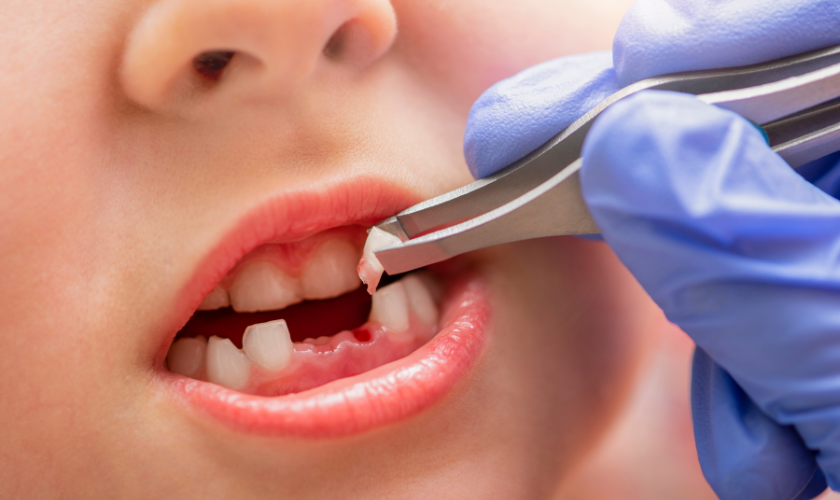
Tooth extraction is a dental procedure in which a tooth is removed from its socket in the jawbone. While it may sound intimidating, there are several reasons why this procedure might be necessary.
One common reason for tooth extraction is severe tooth decay or damage that cannot be repaired with other dental treatments like fillings or crowns. In some cases, a tooth may become infected and pose a threat to your overall oral health. To prevent the spread of infection, extraction may be recommended.
Another reason for tooth extraction is overcrowding in the mouth. If your teeth are too crowded and there isn’t enough space for them to properly align, extracting one or more teeth can create room for proper alignment through orthodontic treatment.
Sometimes, impacted wisdom teeth can cause pain and discomfort as they try to emerge but get blocked by other teeth. In such cases, extracting these problematic molars can alleviate pain and prevent further complications.
Additionally, individuals undergoing certain medical procedures like organ transplants or cancer treatments may need to have compromised teeth extracted to minimize the risk of infection during their treatment period when their immune system might be weakened.
Tooth extraction becomes necessary when preserving the tooth jeopardizes your oral health or causes significant discomfort. It’s important to consult with your dentist if you think you might need an extraction so they can evaluate your situation and recommend appropriate treatment options.

Tooth Extraction Aftercare
Tooth extraction is a common dental procedure that may be necessary for various reasons. After having a tooth extracted, it’s crucial to take proper care of the area to ensure healing and prevent complications. This is where tooth extraction aftercare comes into play.
First and foremost, follow your dentist’s instructions regarding pain management and oral hygiene. You will likely be advised to avoid rinsing or spitting forcefully for at least 24 hours after the procedure. This will help protect the blood clot that forms in the socket, which is essential for proper healing.
It’s important to eat soft foods during this time and avoid chewing on the side of the mouth where the tooth was extracted. Additionally, refrain from using straws or smoking, as these activities can create suction in your mouth and dislodge the blood clot.
Keeping your mouth clean is essential for preventing infection. Gently brush your teeth with a soft-bristled toothbrush but be cautious around the extraction site. Rinse with warm saltwater several times a day to promote healing and reduce swelling.
If you experience any excessive bleeding, severe pain, or other concerning symptoms after an extraction, contact your dentist immediately.
Remember that everyone’s recovery process may vary slightly based on factors such as age, overall health, and type of extraction performed. It’s vital to carefully follow your dentist’s recommendations to ensure optimal healing after a tooth extraction.
Can’t I Smoke After A Tooth Extraction?
Many people wonder whether it’s safe to smoke after a tooth extraction. It’s important to note that smoking can have negative effects on the healing process, especially after a dental procedure like tooth extraction.
Smoking introduces harmful chemicals into your mouth, which can irritate the surgical site and delay healing. The act of inhaling and exhaling smoke also creates suction in your mouth, which can dislodge blood clots that are crucial for proper healing.
Additionally, smoking increases your risk of developing dry socket—a painful condition where the blood clot is dislodged or dissolves before the wound has fully healed. Dry socket can lead to infection and prolong the recovery time.
Using gauze while smoking might seem like a solution, but it doesn’t completely eliminate the risks associated with smoking after a tooth extraction. The suction created by smoking still poses a threat to blood clot formation and proper healing.
To ensure optimal healing after tooth extraction, it is best to avoid smoking altogether for at least 48-72 hours following the procedure. This will give your body ample time to form blood clots and initiate the natural healing process.
Remember, every individual heals differently, so it’s always best to consult with your dentist before resuming any habits or activities that could potentially hinder your recovery progress. By prioritizing your oral health and adhering to post-extraction instructions from your dentist, you’ll be on track for a smooth recovery journey.
Will Gauze Help Me Prevent Dry Socket While Smoking?
Dry socket is a common complication that can occur after tooth extraction. It happens when the blood clot that forms in the socket becomes dislodged or dissolves, exposing the underlying bone and nerves to air, food particles, and bacteria. This can lead to intense pain and delayed healing.
While gauze can be helpful in controlling bleeding after tooth extraction, it does not provide any significant protection against dry socket while smoking. The suction created when inhaling smoke can still dislodge or dissolve the blood clot, increasing your risk of developing dry socket.
It’s important to note that even if you use gauze while smoking, it may not fully prevent dry socket from occurring. The best way to reduce your risk is by avoiding smoking altogether during the initial healing period.
Instead of relying on gauze alone, follow your dentist’s post-operative instructions carefully and make sure to avoid activities such as smoking that could interfere with proper healing. By taking these precautions, you will give yourself the best chance for a smooth recovery without complications like dry socket.
How Long After Tooth Extraction Can I Smoke?
We all know that smoking is harmful to our health, but what about smoking after a tooth extraction? Is it really that bad? The answer is yes, it can have serious consequences.
When you smoke after a tooth extraction, the act of inhaling and exhaling cigarette smoke creates suction in your mouth. This suction can dislodge the blood clot that forms in the socket where your tooth used to be. When this happens, it exposes the underlying bone and nerves, leading to a condition called dry socket.
Dry socket is extremely painful and can delay the healing process. It can also increase your risk of infection and other complications. Additionally, smoking introduces chemicals into your mouth that can further irritate the surgical site and impede healing.
So if you want to avoid unnecessary pain and complications, it’s best to refrain from smoking for as long as possible after a tooth extraction. Your dentist will likely recommend waiting at least 48-72 hours before resuming smoking.
It is clear that smoking after a tooth extraction can have serious consequences for your oral health. While it may be tempting to light up, especially if you’re a regular smoker, it’s important to prioritize your healing process.
We’ve discussed the reasons why tooth extractions are necessary and the importance of following proper aftercare instructions. Ignoring these guidelines can lead to complications such as dry socket, delayed healing, and increased risk of infection.
Remember: Your oral health should always be a priority! If you have any questions or concerns about smoking after a tooth extraction or need further guidance on how to care for your mouth post-surgery, don’t hesitate to reach out to your trusted Gresham dentist for professional advice tailored specifically to your unique situation.
FAQS
1. Can I smoke after a tooth extraction?
It is highly recommended to avoid smoking for at least 72 hours after a tooth extraction to reduce the risk of complications such as dry socket.
2. Will using gauze help prevent dry socket while smoking?
Using gauze while smoking may provide some protection, but it is not foolproof. It is best to abstain from smoking altogether during the initial healing period.
3. How long should I wait before I can smoke after a tooth extraction?
It is generally advised to wait at least 72 hours before you resume smoking after a tooth extraction, although it’s best to consult with your dentist for specific instructions based on your individual case.
4. What happens if I smoke too soon after a tooth extraction?
Smoking too soon after a tooth extraction increases the risk of developing dry socket, which can cause severe pain and delay the healing process.
5. Are there any alternatives to smoking during recovery from a tooth extraction?
Yes! If you’re craving nicotine, consider using nicotine patches or gum as an alternative until you have fully healed.