Are you tired of missing out on your favorite crunchy, chewy foods because of dental issues? Well, fret no more! Dental implants are here to save the day (and your taste buds)! With their incredible strength and durability, dental implants allow you to enjoy all those hard-to-chew goodies without any worries. But before we dig deeper into the topic, let’s first understand what exactly dental implants are and why they’re considered a game-changer in the world of dentistry. Get ready to sink your teeth into this informative read!
What are Dental Implants?
Dental implants are a revolutionary solution for individuals who have lost one or more teeth. Unlike traditional dentures or bridges, dental implants offer a permanent and natural-looking replacement option.
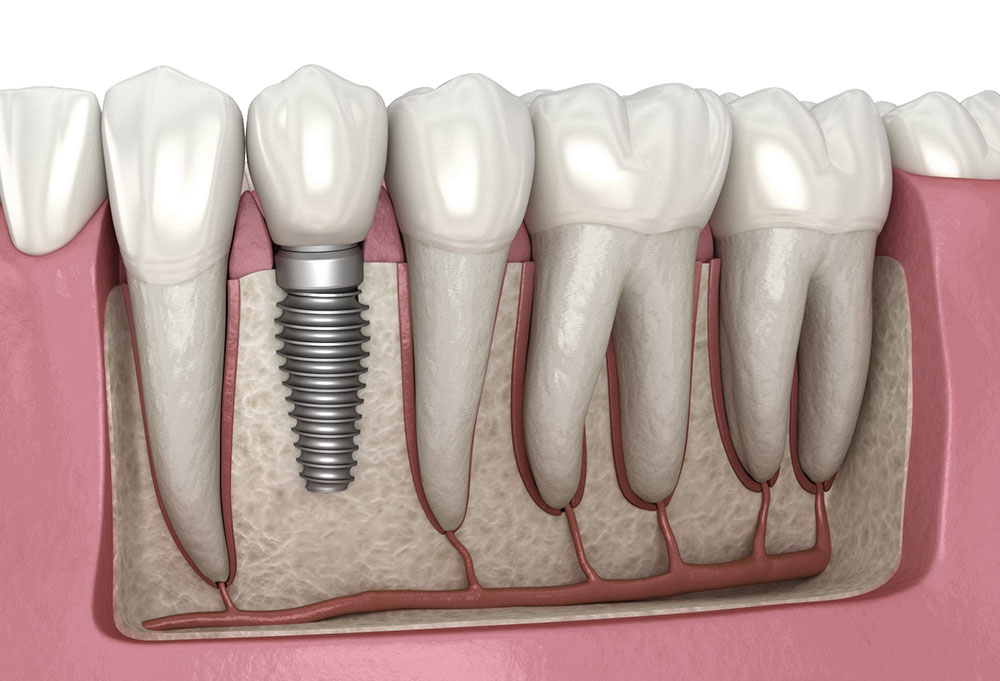
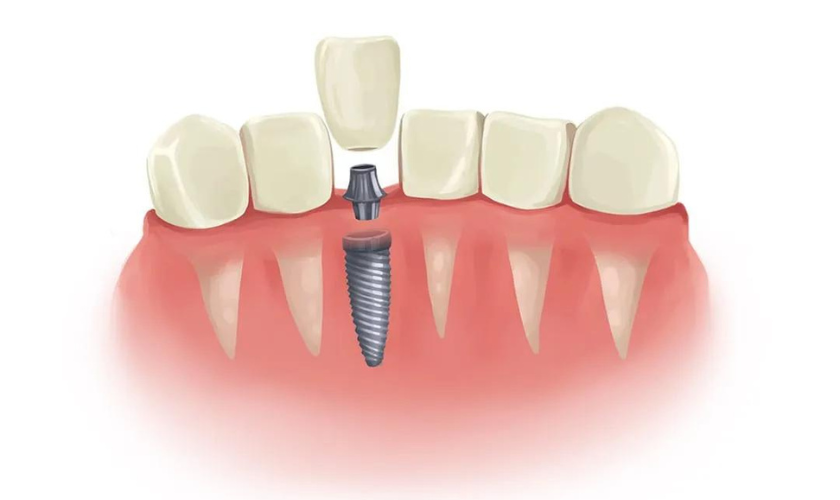
So, what exactly are dental implants? Essentially, they are titanium posts that are surgically placed into the jawbone to serve as artificial tooth roots. These posts provide a strong foundation for crowns or bridges that will be attached later on.
One of the key benefits of dental implants is their ability to fuse with the surrounding bone over time. This process, known as osseointegration, ensures stability and durability for the implant. As a result, patients can enjoy improved chewing efficiency and speech clarity compared to other tooth replacement options.
Furthermore, dental implants also help to maintain proper facial structure by preventing bone loss in the jaw area. This helps avoid potential problems such as sagging skin or changes in bite alignment.
Dental implants provide long-term solutions that not only restore aesthetics but also enhance functionality and quality of life for individuals with missing teeth.
The Benefits of Dental Implants
Dental implants offer a plethora of benefits that go beyond just filling the gaps in your smile. These advanced tooth replacements provide a permanent and stable solution for individuals with missing teeth, allowing them to regain their confidence and improve their overall oral health.
One of the major advantages of dental implants is their ability to restore not only the aesthetics but also the functionality of natural teeth. Unlike dentures or bridges, which can slip or cause discomfort while eating, dental implants are securely anchored in the jawbone. This means you can comfortably enjoy all your favorite foods without worrying about any limitations.
Another benefit is that dental implants help preserve bone structure by stimulating natural bone growth. When a tooth is lost, the underlying jawbone starts to deteriorate over time due to lack of stimulation. Dental implants act as artificial tooth roots and promote healthy bone density, preventing further deterioration and maintaining facial integrity.
Moreover, dental implants offer long-term durability and reliability compared to other tooth replacement options. With proper care and maintenance, they can last a lifetime! This makes them a cost-effective investment in your oral health because you won’t need frequent replacements like dentures or bridges may require.
Additionally, dental implants have no negative impact on neighboring teeth since they don’t rely on adjacent teeth for support like traditional bridges do. By opting for implant-supported crowns or bridges instead, you ensure that your remaining natural teeth remain untouched and unaffected during the restoration process.
Dental implants bring numerous advantages ranging from improved chewing function to enhanced facial aesthetics. They provide stability and longevity while preserving existing oral structures. If you’re considering replacing missing teeth or improving your smile’s appearance, consult with an experienced dentist who specializes in dental implantology to explore how this modern solution could transform your life!
Can You Chew Hard Food with Dental Implants?
Can you enjoy your favorite steak or bite into a crisp apple with dental implants? The answer is a resounding yes! Dental implants are designed to function just like natural teeth, allowing you to chew hard foods without any difficulty.
Dental implants are titanium posts that are surgically placed in the jawbone, acting as artificial tooth roots. They provide a stable foundation for replacement teeth, whether it’s a single crown or an implant-supported denture. Unlike removable dentures, which can slip and slide while eating, dental implants stay securely in place.
When it comes to chewing hard foods with dental implants, there are a few factors to consider. First and foremost is the healing process after implant surgery. It takes time for the implants to fuse with the bone and become fully functional. Your dentist will provide guidelines on what types of foods to avoid during this initial healing period.
Once your dental implants have fully integrated with the bone, you can gradually introduce harder foods back into your diet. However, it’s important to remember that even though dental implants are strong and durable, they should be treated with care.
To maintain healthy and strong dental implants while chewing hard foods:
1) Practice good oral hygiene: Brushing twice daily and flossing regularly will help keep your gums and remaining natural teeth healthy.
2) Avoid excessive force: While dental implants can handle normal biting forces, exerting too much pressure on them by grinding or clenching may cause damage over time.
3) Visit your dentist regularly: Routine check-ups allow your dentist to monitor the condition of your dental implants and address any issues before they worsen.
With proper care and maintenance, you can confidently savor all types of food without worrying about damaging your dental implant investment!
Remember that every individual case is unique; therefore, consulting with a qualified dentist is essential for personalized advice regarding chewing hard food after getting dental implant
Factors to Consider Before Chewing Hard Foods
Before indulging in your favorite crunchy snacks or biting into a juicy steak, there are a few factors you should consider when it comes to chewing hard foods with dental implants. While dental implants are designed to provide stability and functionality similar to natural teeth, they do require some special care.
It’s important to evaluate the healing process of your dental implant. After the implant surgery, your jawbone needs time to fuse with the implant post. This process is known as osseointegration and typically takes several months. It’s crucial not to rush this healing period by applying excessive force on the implant before it has fully integrated.
You should assess the quality of your dental implant restoration. The crown or bridge attached to the implant must be securely fixed in place and made from durable materials that can withstand biting forces without fracturing or chipping.
Additionally, consider any existing oral health issues that may affect your ability to chew hard foods comfortably. If you have gum disease or tooth decay in surrounding teeth, addressing these conditions beforehand will ensure better overall oral health and enhance your ability to enjoy harder food items.
Consult with your dentist about any specific dietary restrictions during the initial stages after getting dental implants. They may recommend starting with softer foods initially and gradually introducing harder textures once healing is complete.
By considering these factors carefully and following proper post-implant care instructions from your dentist, you can confidently enjoy chewing hard foods while maintaining the longevity of your dental implants!
Tips for maintaining strong and healthy dental implants
Taking care of your dental implants is crucial for their long-term success. Here are some tips to help you maintain strong and healthy dental implants:
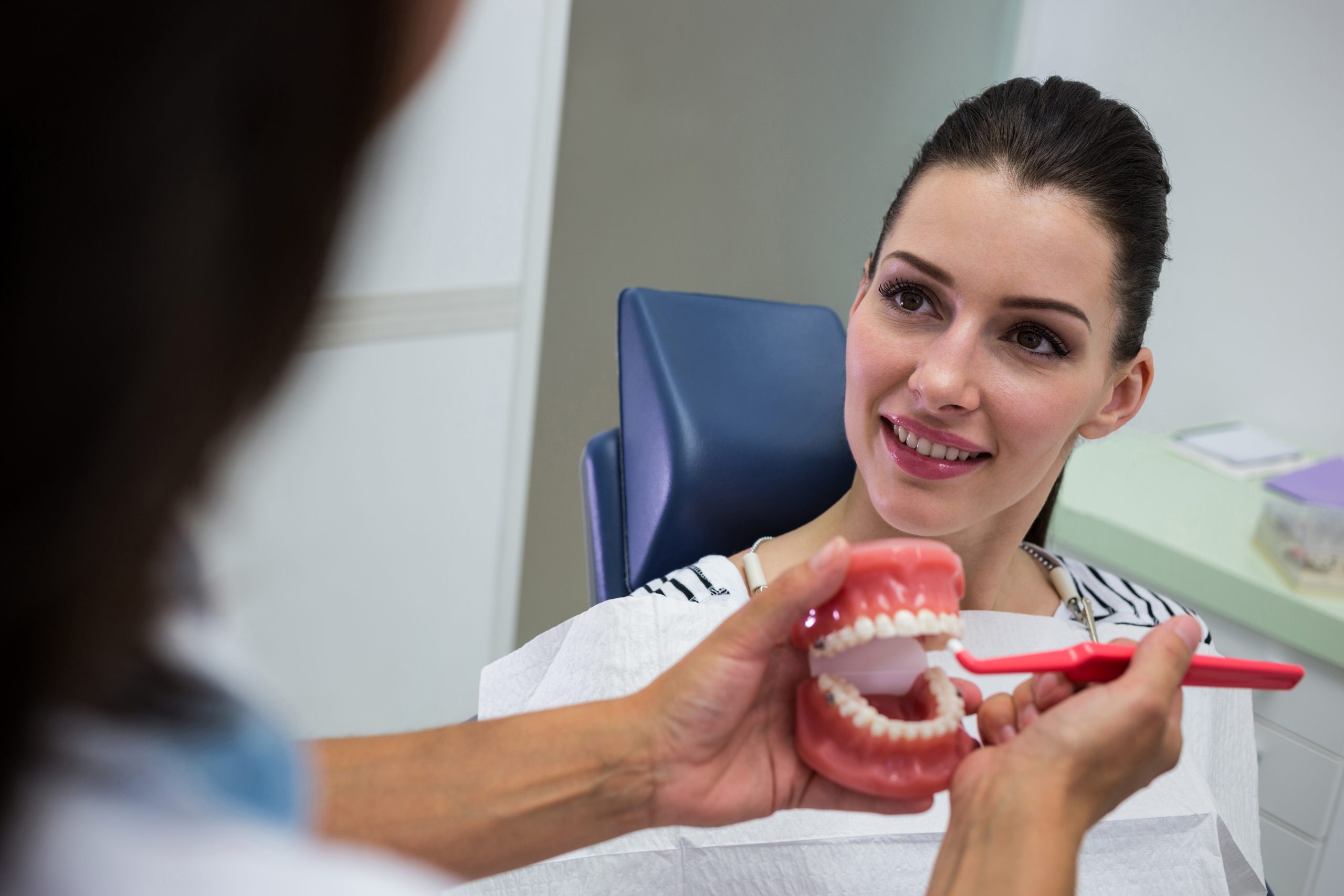
1. Follow a good oral hygiene routine: Brush your teeth at least twice a day using a soft-bristled toothbrush and fluoride toothpaste. Don’t forget to clean around the implant area, gently removing any plaque or bacteria.
2. Floss regularly: Use floss specifically designed for dental implants to clean between the teeth and around the implant posts. This helps prevent gum disease and keeps the surrounding tissues healthy.
3. Avoid hard foods: While dental implants can handle normal biting forces, it’s best to avoid excessively hard foods that could potentially damage them. Opt for softer alternatives when possible.
4. Quit smoking: Smoking can negatively affect the healing process after implant surgery, as well as increase the risk of complications such as infection or implant failure. It’s best to quit smoking altogether for optimal implant health.
5. Schedule regular check-ups with your dentist: Regular visits allow your dentist to monitor the health of your implants, detect any potential issues early on, and provide professional cleaning that may be necessary.
6. Be mindful of grinding or clenching habits: Grinding or clenching your teeth can put excessive pressure on both natural teeth and dental implants, leading to damage over time. If you have this habit, speak with your dentist about options like wearing a nightguard.
By following these tips, you can ensure that your dental implants remain strong and healthy for years to come! Remember, maintaining good oral hygiene practices is key to preserving not just your overall oral health but also the longevity of your dental implants.
Enjoying a Full and Delicious Diet with Dental Implants
With dental implants, you can have the confidence to indulge in a full and delicious diet. These remarkable tooth replacements provide stability, functionality, and aesthetics that allow you to chew hard foods without worry.
By understanding the factors to consider before getting dental implants and following the tips for maintaining their strength and health, you can ensure long-lasting success. Remember to consult with your dentist or oral surgeon regularly to keep track of your implant’s condition.
So go ahead and savor those crunchy vegetables, bite into that juicy steak, or enjoy your favorite crispy snacks. With dental implants, you can confidently chew hard food while reaping all its nutritional benefits.
Make sure you are not only protecting your investment but also enhancing your overall well-being by taking care of both your dental health and dietary needs. Embrace the joy of eating once again with strong and healthy dental implants!
Disclaimer: This article is for informational purposes only. It is not intended as medical advice, nor does it replace professional evaluation or treatment by a qualified healthcare provider.