The aftermath of a root canal procedure requires attentive care to ensure proper healing and the prevention of any further dental issues. One common query that patients have is whether they should brush their teeth following a root canal. Let’s delve into this subject to understand the significance of oral care post-root canal and how to navigate it effectively.
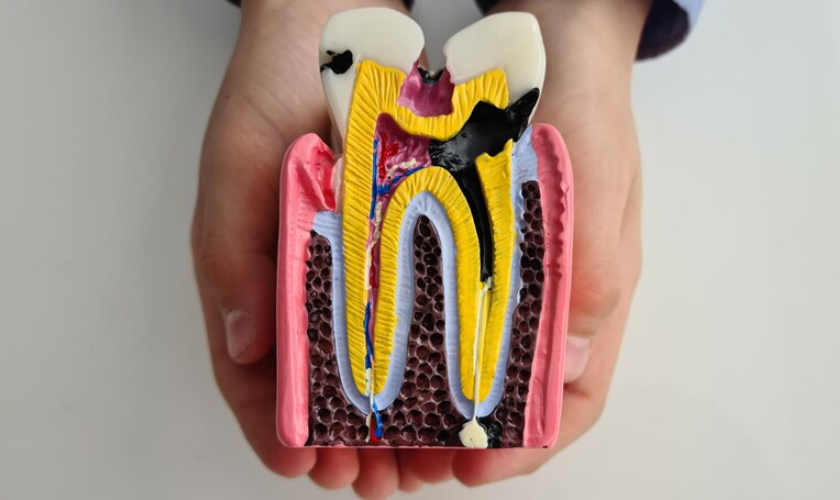
A root canal treatment is performed to address severe tooth decay or infection that has affected the tooth’s pulp—the innermost part containing nerves and blood vessels. During this procedure, the infected pulp is removed, the area is thoroughly cleaned, disinfected, and then sealed. Following a root canal, patients might experience tenderness or sensitivity around the treated tooth, making it vital to handle oral hygiene with care.
After a root canal, dentists typically advise patients to continue regular oral hygiene practices, including brushing. It’s crucial to maintain cleanliness to prevent any further bacterial buildup that could potentially cause complications.
Here are some essential guidelines for brushing your teeth after a root canal:
- Wait for the Numbness to Subside: After the root canal procedure, your mouth might still be numb from the local anesthesia. Wait until the sensation returns to normal before attempting to brush your teeth. This prevents accidental injuries to the tongue, cheeks, or lips due to decreased sensation.
- Be Gentle and Cautious: Brushing after a root canal is encouraged, but it’s important to be gentle around the treated area. Use a soft-bristled toothbrush and brush carefully, especially around the tooth that underwent the root canal. Avoid putting excessive pressure on this area to prevent discomfort or irritation.
- Use Mild Toothpaste: Opt for a mild, non-abrasive toothpaste, preferably recommended by your dentist. This helps to ensure you’re not causing any additional stress to the treated tooth or irritating the surrounding gum tissue.
- Rinse Effectively: A saltwater rinse can aid in disinfecting the mouth and reducing any swelling or discomfort. Gently swish a warm saltwater solution in your mouth after brushing, as this can promote healing and soothe the area.
- Follow Your Dentist’s Recommendations: Every patient’s case is unique. Your dentist will provide personalized instructions on how to care for your teeth post-root canal. Follow these instructions diligently for the best possible outcome.
Maintaining proper oral hygiene is not just about brushing. Flossing is equally important, but it might need to be approached with caution after a root canal. If you’re experiencing tenderness, avoid flossing directly around the treated tooth to prevent any irritation. Your dentist will advise when it’s suitable to resume normal flossing around the area.
In some cases, your dentist might recommend using an antimicrobial mouthwash to reduce the risk of infection and aid in the healing process. This can be an important addition to your oral care routine after a root canal.
Additionally, regular follow-up appointments with your dentist are crucial. These appointments allow the dentist to monitor your healing progress, address any concerns, and ensure that the treated tooth is recuperating as expected.
Remember, while it’s important to maintain oral hygiene after a root canal, it’s equally vital to be cautious and gentle to aid the healing process. Always consult your dentist for specific guidance tailored to your individual situation.
In conclusion, brushing your teeth after a root canal is recommended, but it should be done with care and attention. It’s a fundamental part of maintaining oral health, promoting healing, and preventing further dental issues. By following the post-root canal care instructions provided by your dentist, you can ensure a smoother recovery and the long-term success of the procedure.