Is a tooth extraction in your near future? Don’t worry, you’re not alone! While the thought of having a tooth pulled can be intimidating, it’s actually a very common dental procedure that millions of people undergo every year. Whether you need to have a wisdom tooth removed or simply have an infected or damaged tooth extracted, understanding what to expect before, during and after the procedure is crucial for ensuring a smooth recovery. In this blog post, we’ll cover everything you need to know about tooth extractions and how to care for your smile afterward. So sit back and relax as we guide you through the process!
What is a tooth extraction?
A tooth extraction is a dental procedure that involves removing one or more teeth from the mouth. While it’s not always desirable, there are several reasons why a tooth may need to be extracted. For example, if a tooth is severely decayed or damaged beyond repair, extracting it can prevent further damage to surrounding teeth and tissues.
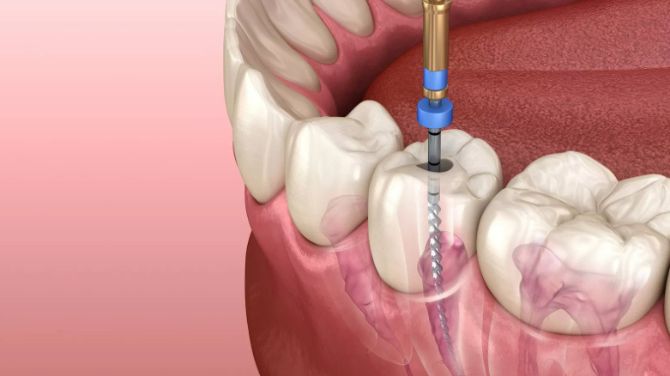
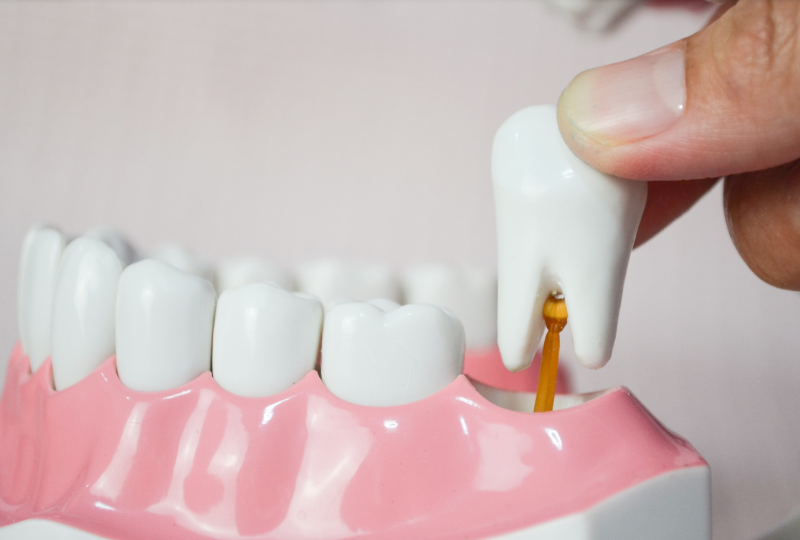
There are two types of extractions: simple and surgical. A simple extraction is performed on visible teeth that have already erupted from the gums. It’s typically done under local anesthesia and involves loosening the tooth with an elevator tool before pulling it out with forceps.
On the other hand, a surgical extraction is necessary for impacted or partially erupted teeth that cannot be easily accessed. This type of extraction requires incisions in the gum tissue to access the tooth root and may involve breaking up the tooth into pieces for easier removal.
While having a tooth extracted may seem daunting at first, it’s important to remember that your dentist has your best interests in mind when recommending this procedure. With proper care during recovery, you’ll soon be back to enjoying all your favorite foods without any pain or discomfort!
The different types of tooth extractions
When it comes to tooth extractions, it’s important to know that there are different types of procedures depending on the situation. Here are some of the most common types:
1. Simple extraction:
This is the most common type of extraction where a dentist loosens and removes the tooth using forceps.
2. Surgical extraction:
When a tooth has not fully erupted or has broken off at the gumline, a surgical extraction may be necessary. The dentist will make a small incision in your gum to remove the tooth.
3. Wisdom teeth removal:
Wisdom teeth can often cause problems if they become impacted or grow in an incorrect position. Removal may require either simple or surgical extraction.
4. Multiple extractions:
In some cases, multiple teeth need to be extracted due to decay, trauma or overcrowding.
It’s important to note that regardless of which type of extraction you undergo, proper aftercare is crucial for healing and minimizing discomfort.
What to expect during and after a tooth extraction
Tooth extraction is a common dental procedure that involves removing a tooth from its socket in the bone. It can be performed for many reasons, including severe decay, infection, crowding or impaction of teeth, and periodontal disease.
During the tooth extraction process, your dentist will first numb the area with local anesthesia to minimize any discomfort. Once you’re fully numbed up, they will use specialized tools to gently loosen and remove the tooth from your jawbone.
Afterward, you may experience some moderate pain and swelling around the site of the extraction – this is completely normal! Your dentist will likely recommend over-the-counter pain medication to help manage any discomfort as well as ice packs to reduce swelling.
It’s important to follow all post-operative instructions provided by your dentist carefully – this includes avoiding hot drinks or hard foods for several days following your procedure. You should also avoid smoking or using straws (which can dislodge blood clots) until you’ve fully healed.
While tooth extractions may seem intimidating at first glance, they are generally quick and straightforward procedures that can help alleviate serious oral health issues in no time at all!
How to care for your smile after a tooth extraction
After undergoing a tooth extraction, it’s essential to take proper care of your smile to ensure quick healing and prevent any further complications. Here are some tips on how to do so:
1. Rest for the First Day:
It is recommended that you rest for at least 24 hours after the extraction procedure. Avoid doing any physically demanding tasks as this can increase blood flow and cause bleeding.
2. Apply Ice Packs:
Applying ice packs on the affected area can help reduce swelling and ease pain.
3. Take Pain Relievers:
If you’re experiencing discomfort or pain post-extraction, over-the-counter medications such as acetaminophen or ibuprofen may help alleviate these symptoms.
4. Keep Your Mouth Clean:
Brushing your teeth gently twice daily with a soft-bristled toothbrush is vital in maintaining oral hygiene while avoiding the extracted area for a few days following surgery.
5. Follow a Soft Diet:
Stick to soft foods like soup, yogurt, smoothies, applesauce, and mashed potatoes during the first few days after extraction because hard-to-chew food might cause irritation or even damage surgical sites.
6. Avoid Smoking and Alcohol Consumption: Smoking can delay healing time by restricting blood flow; likewise alcohol slows down wound recovery rates due its dehydrating effects which could lead to dry socket formation (a painful condition).
By following these guidelines carefully ,you will be able to ensure swift recovery from your tooth extraction procedure without any further complications!
Conclusion
Tooth extraction may seem like a daunting procedure, but it is a common and often necessary dental treatment. Whether you are getting your wisdom teeth removed or having a damaged tooth extracted, knowing what to expect and how to care for your smile afterwards can help ease any anxiety. Remember to always follow the advice of your dentist before and after the procedure. This includes taking any prescribed medications as directed, avoiding hard or chewy foods, keeping the area clean with gentle brushing and rinsing, and attending any follow-up appointments. With proper care, your mouth will heal quickly and you’ll be back to flashing your pearly whites in no time!